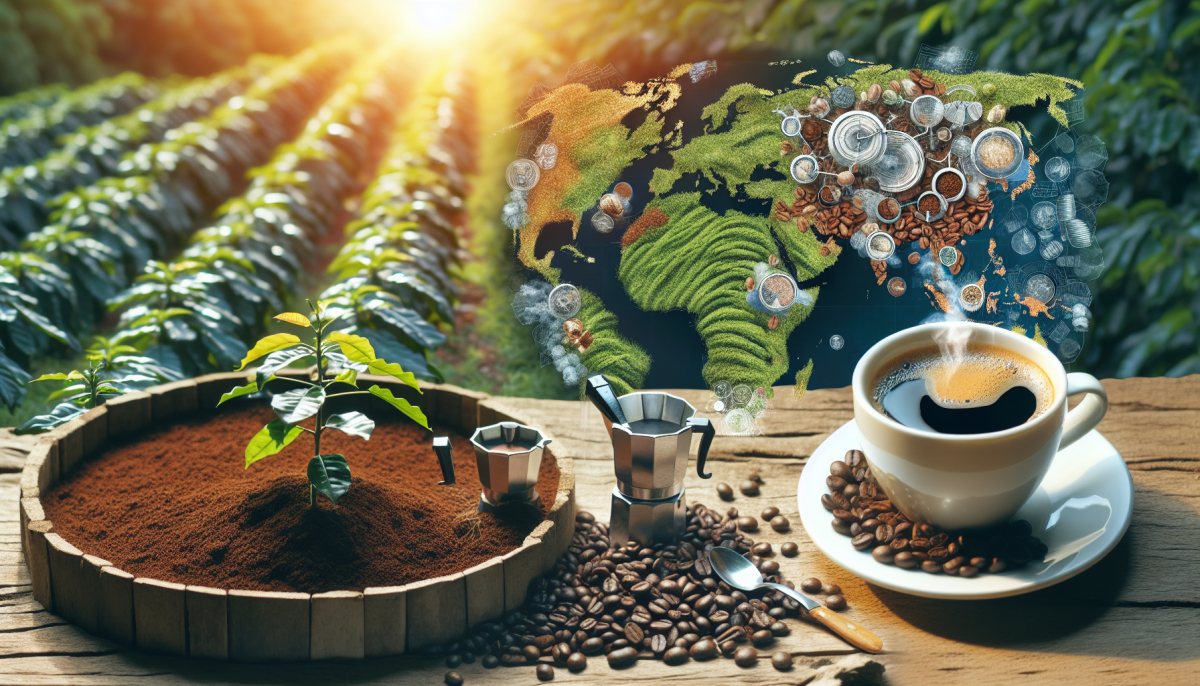
Coffee has quite the journey before it reaches your cup. It all starts on coffee farms where farmers grow coffee beans on lush plantations. These beans grow on trees and need just the right climate—lots of sunshine and some rain—to thrive. From Brazil to Ethiopia, each region adds its own unique twist to the flavor of the beans. It's fascinating how the place where coffee is grown influences how it tastes!
Once the beans are ripe, it’s time for harvesting. This can be quite a labor-intensive process. Many coffee farms use hand-picking to select only the best cherries, ensuring high quality. The cherries are then processed quickly to keep them fresh. There are different methods of processing, but washing and drying the beans are crucial steps to prepare them for roasting.
Next up is roasting, where the magic truly happens! Roasting transforms the green coffee beans into the rich brown beans we know and love. This is where flavors develop—dark roast brings out bold, smoky notes, while lighter roasts can be fruity and bright. Each roaster has their unique style, which affects the final taste in your cup.
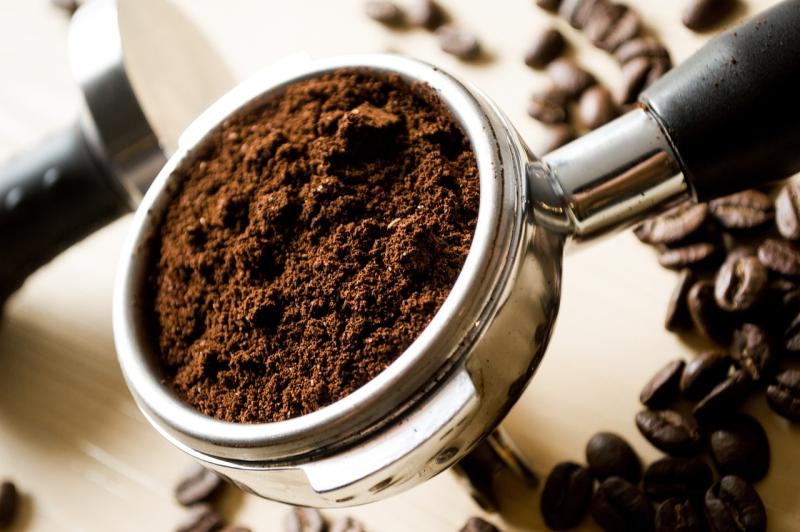
Finally, the last leg of the journey involves grinding the roasted beans and brewing your perfect cup of coffee. Whether you prefer a French press, pour-over, or espresso, that freshly brewed aroma makes all the effort worthwhile. Enjoying that cup connects you to coffee lovers around the world, experiencing a shared passion for this beloved beverage.
The Global Coffee Culture
Coffee isn’t just a drink; it's a universal experience that brings people together in so many unique ways. From bustling cafes in Paris to cozy coffee shops in Seattle, each place adds its own flavor and vibe to how coffee is enjoyed. You can feel the energy when people gather around their mugs, laughing, chatting, or just soaking in the ambience.
In places like Italy, coffee is like an art form. The espresso culture is deeply rooted, with quick rituals that locals swear by. You might find yourself standing at the bar, sipping a shot of espresso, and chatting with the bartender about the day’s happenings. In contrast, you’ll see different traditions in places like Ethiopia, where coffee ceremonies treat the brewing process as a cherished ritual, complete with roasting the beans right before your eyes.
And let’s not forget America’s love for coffee! From the rise of artisanal coffee shops to the hustle of drive-thrus, the options are endless. Cold brews, lattes, and seasonal pumpkin spice flavors have become part of the American lifestyle. Whether you're grabbing your daily fix on the way to work or meeting friends over brunch, coffee is often at the center of those moments.
Today, there’s also a growing awareness about where coffee comes from. Many folks are curious about sustainable practices and fair trade options. This not only supports farmers but also ensures that the beans we enjoy are grown with care and respect for the environment. As we sip our favorite brews, we are also contributing to a bigger story—one that connects us to farmers around the globe.
Environmental Effects of Coffee Farming
Coffee farming has a significant impact on the environment, and it's important to understand both the positive and negative effects it has. On one side, coffee can help support biodiversity when grown under the right conditions. Shade-grown coffee, for example, allows for a healthier ecosystem. Farmers who plant coffee alongside trees and other plants create habitats for birds, insects, and various wildlife, promoting a diverse environment. This method can protect the soil and preserve water resources as well.
However, not all coffee farming practices are beneficial. Industrial coffee farming often leads to deforestation, as land is cleared to make way for coffee plantations. This deforestation can harm local wildlife and contribute to soil erosion, which makes it harder for plants to grow back. The loss of trees also affects the carbon cycle, as fewer trees means more carbon dioxide in the atmosphere, contributing to climate change.
Furthermore, the use of pesticides and fertilizers in coffee farming can lead to water pollution. Chemicals used on the coffee plants can wash into nearby streams and rivers, harming aquatic life and making water unsafe for local communities. Choosing organic or sustainably sourced coffee can help reduce this environmental damage and support farms that prioritize eco-friendly practices.
As coffee lovers, it’s also our responsibility to make informed choices. Look for certification labels like Fair Trade or Rainforest Alliance when shopping for coffee. These certifications indicate that the coffee is grown with practices that protect the environment and promote fair treatment for farmers, making a positive impact on the communities and ecosystems they are part of.
Supporting Fair Trade Coffee Practices
Fair trade coffee practices are all about making a positive impact on the lives of everyone involved in the coffee journey, from farmers to consumers. When you choose fair trade, you're not just enjoying a great cup of coffee; you're supporting farmers who get a fair price for their hard work. This means they can invest in their communities, improve their farms, and provide better education for their kids.
One of the biggest benefits of fair trade coffee is the commitment to sustainable farming practices. Many fair trade certified farmers focus on organic methods, which are better for the environment and lead to healthier coffee beans. This approach not only helps combat climate change but also ensures that we’re enjoying a product that’s grown with care for the planet.
Another cool aspect is the direct trade relationships that fair trade promotes. This cuts out the middlemen, allowing farmers to connect directly with buyers. It fosters transparency and means that a larger part of your purchase goes directly to the people who grow the coffee. So, every sip of your favorite brew supports the livelihoods of those who dedicate their lives to bringing it to your cup.
Moreover, many fair trade coffee companies invest in community development programs. This can be anything from building schools and health clinics to providing access to clean drinking water. When you choose fair trade coffee, you’re not just enjoying a tasty beverage; you’re helping create a better world for coffee-growing communities.